Beyoncé joins rare group of Black American billionaires
By Stacy M. Brown NNPA Newswire
12/31/2025, 6 p.m.
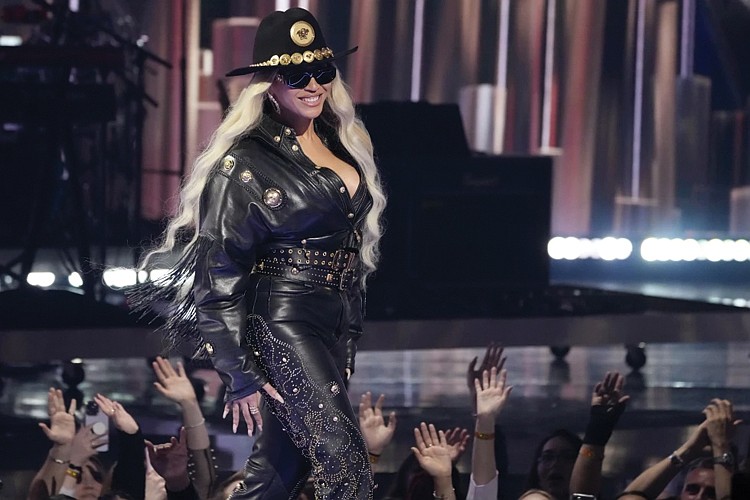
Beyoncé Knowles-Carter has joined the small, closely watched group of Black American billionaires, joining a handful of individuals who built vast wealth in a country where Black ownership has long been restricted or denied.
According to Forbes, she is worth at least $1 billion, making her one of only a few musicians to reach that level and one of the rare Black women in the U.S. to do so through entertainment, business control and ownership. She joins her husband, Jay-Z, who became hip-hop’s first billionaire in 2019, along with Rihanna, Oprah Winfrey, Michael Jordan and a handful of others whose fortunes remain uncommon.
Black billionaires remain rare in the nation. Forbes reports that fewer than 20 Black individuals worldwide have reached billionaire status and this despite Black Americans’ central role in building the U.S. economy. The gap between contribution and compensation reflects a history of segregation, discriminatory lending, exclusion from ownership, and financial systems that often blocked Black ambition.
Beyoncé’s rise was deliberate, not accidental. She moved beyond performing to controlling the industry. Her company, Parkwood Entertainment, became the center of her creative and financial decisions, letting her retain ownership of her music, manage her tours and oversee production. That control proved decisive.
In 2023, her Renaissance tour traveled to 39 cities with 56 shows, drawing more than 2.7 million fans and generating over $500 million. Producing and managing the tour largely in-house let Beyoncé capture profits that artists once surrendered to labels, promoters and intermediaries. The concerts were visible. The ownership was quieter.
Her approach mirrors that of other Black billionaires who built wealth by insisting on ownership. Jay-Z expanded from music into business by retaining equity and investing early. Rihanna turned global fame into ownership stakes beyond album sales. Oprah Winfrey built a media empire by controlling her platform. Michael Jordan converted athletic dominance into long-term equity. In each case, the turning point was not applause but control.
Beyoncé’s wealth also arrives amid growing discussions of Black economic power. Black households still hold a fraction of the wealth of white households, and Black entrepreneurs are more likely to be denied loans or charged higher interest rates. Her visibility carries weight, even as it underscores how rare such outcomes remain.
There is no suggestion that one fortune corrects generations of imbalance. But there is meaning in documentation. Beyoncé’s entry into the billionaire class records what happens when talent is paired with ownership in a system that rarely allows both. It shows what becomes possible when the work, the image and the profits remain under the same roof.
Beyoncé has spoken sparingly about wealth, choosing instead to talk about control and protection. “No amount of money is worth my peace,” she said.