We need homes with roots, not just roofs by Sheri Shannon and Kami Blatt
12/24/2025, 6 p.m.
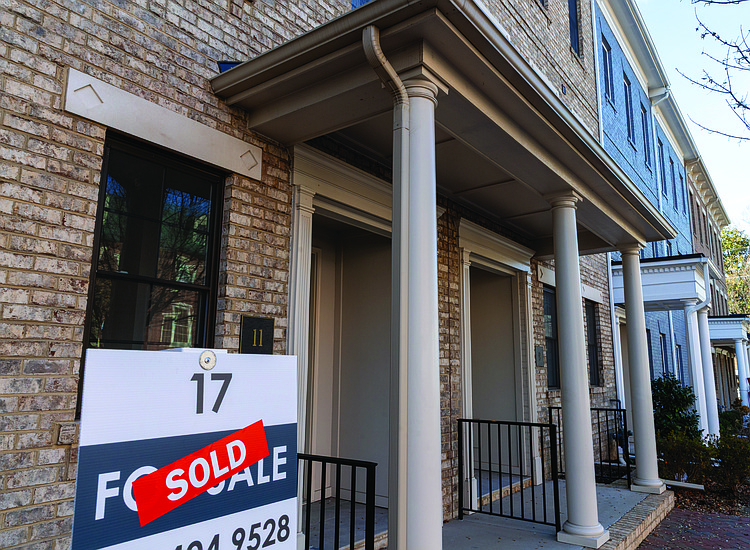
Across Virginia, housing costs are rising faster than paychecks. Too many residents face impossible choices between rent and groceries or between staying rooted in their communities and finding somewhere they can afford to live.
In the past decade, units renting for under $1,000 a month (inflation-adjusted) fell by more than 32% in Virginia, and the current average rent ranges from $1,800 to $2,000 a month.
The average home price has jumped nearly 50%, putting homeownership out of reach for many working families. In Richmond, fewer than one in four Black households own their home, a rate that has barely changed in more than half a century.
Meanwhile, localities continue to lose mature trees and green space, especially in low-income and historically redlined communities, to make room for more housing — which is often unattainable. In South Richmond neighborhoods like Blackwell and Oak Grove, tree canopy has dropped below 20%, leaving streets up to 15 degrees hotter and experiencing more urban flooding than leafier parts of town.
Too often, conversations about solutions pit housing against the environment, as if building affordable homes means cutting down the trees that make our neighborhoods livable. That’s a false choice. Virginia can and must do both: grow an affordable housing market while protecting the natural infrastructure that keeps communities healthy and resilient.
The maple, oak, pine and birch trees in our yards, streets and parks offer valuable public health and functional benefits, even at an early stage of growth. As trees mature, they do more for us — filtering more air pollutants, lowering energy bills, cooling streets and even capturing 500 to 600 gallons of stormwater annually.
To tackle this shared challenge, Southside ReLeaf partnered with our friends at the Chesapeake Bay Foundation and convened more than two dozen housing providers and experts, environmental justice advocates, urban planners and Virginia state legislators serving the Hampton Roads region for “Growing Together: From Roots to Roofs,” a two-day summit focused on answering: “How can Virginia build the affordable homes people need without sacrificing the trees and green spaces that make communities resilient?”
Participants emerged from the summit with a shared vision: “Every Virginian should live in a home that is affordable, safe and surrounded by healthy green spaces that protect against heat, flooding and pollution.”
To advance this vision, attendees identified key challenges and opportunities to address to guide Virginia’s next steps:
Remove barriers to equitable and resilient development. Structural, political and procedural barriers that limit equitable growth include political fear and resident opposition, communication barriers, outdated zoning and the exclusion of those facing housing insecurity or living in heat-vulnerable neighborhoods in planning processes.
Reframe development to be community-centered. Residents must shape and drive the design and development process from the beginning through multilingual and accessible engagement. Plans should stress local priorities such as tree canopy and walkability, and grassroots groups can bridge the gap between technical planning and lived experiences.
Foster stronger collaboration across sectors. Affordable housing advocates, green space champions, builders and policymakers must move beyond their silos and build shared goals and shared language.
Broader coalitions unlock solutions necessary for progress to become possible.
Redefine profitability and success. Resilient communities aren’t just measured on financial return — they’re places where people are healthy, stable and connected to nature. Success should include well-being, sustainability and long-term community investment.
Out of those discussions, the Roots to Roofs summit produced six key policy recommendations. Among them:
Give every locality the authority to protect and replace its tree canopy, which is currently granted only to Northern Virginia jurisdictions.
Encourage redevelopment of impervious and vacant sites by expanding tax credits and scoring advantages for Low-Income Housing Tax Credit projects, prioritizing underused commercial areas, empty storefronts and large parking lots rather than clearing forested land.
Create a statewide “pattern book” of sustainable housing designs that integrates pre-approved, climate-smart plans that localities can use to streamline by-right development and construction speed.
These recommendations, outlined in our Roots to Roofs 2025 Summit Report, are only the beginning of the collaborative work required across the Commonwealth. But they share a common purpose: ensuring every Virginian can find and afford a home while communities grow without sacrificing the natural systems that protect them.
Achieving that vision requires political will — from both state legislators and local governments — to expand local authority, fund community-driven planning and secure new development that strengthens both our affordable housing stock and our natural resilience.
Virginia’s future depends on how we build today. If we choose growth that keeps people and trees rooted in the same soil, we can ensure every community has both the homes and the canopy it needs to thrive.
 Sherri Shannon
 Kami Blatt
Sheri Shannon is the co-founder of Southside ReLeaf, and Kami Blatt is the policy support specialist at Southside ReLeaf.