Sam Hairston’s influence reaches from Negro Leagues to modern MLB
Free Press staff report | 2/5/2026, 6 p.m.
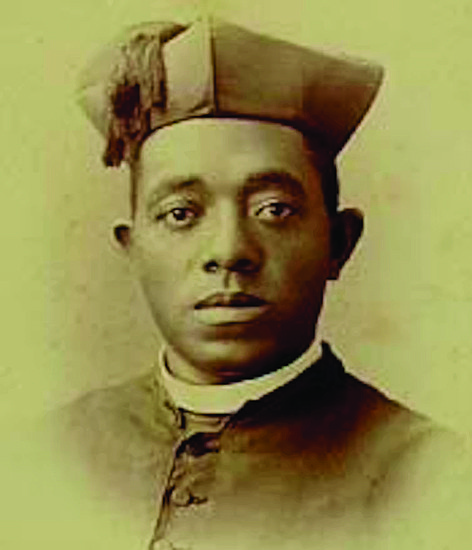
Before Major League Baseball opened its doors to Black athletes, before integration became policy rather than resistance and long before baseball families became celebrated storylines, there was Sam Hairston, a Negro Leagues standout and Triple Crown winner whose influence helped shape America’s pastime for more than 70 years.
Hairston is an unsung Negro Leagues baseball legend whose impact extended far beyond his own playing career, transforming Major League Baseball and redefining generational success across athletics, education and public service.
Hairston’s career began in an era when Black excellence was undeniable yet routinely denied opportunity. A star in the Negro Leagues, he later broke barriers as the first Black American player for the Chicago White Sox, navigating the pressures of integration while enduring segregation both on and off the field. Although he reached baseball’s highest level, Hairston could not pursue higher education due to systemic racial inequities, an experience that would shape his lifelong priorities.
Following his playing days, Hairston dedicated more than four decades to coaching and mentorship within the Chicago White Sox organization, teaching young athletes that discipline, character and education mattered as much as talent. Those lessons resonated most powerfully within his own family, as he became the patriarch of one of Major League Baseball’s multigenerational legacies.
His sons, Jerry Hairston Sr. and John Hairston Sr., both reached the Major Leagues during a period when Black players continued to fight for opportunities and respect. Jerry Hairston Sr. played outfield in Major League Baseball, most notably with the Chicago White Sox. John Hairston Sr. made history as the first Black American catcher for the Chicago Cubs, earning recognition for his versatility and leadership.
At his father’s encouragement, John Hairston Sr. graduated from Southern University in Baton Rouge, Louisiana, beginning a family tradition rooted in the belief that education was essential to long-term progress. Sam Hairston believed education was essential to breaking generational barriers that baseball alone could not.
Sam Hairston’s grandsons carried the family name into modern Major League Baseball, bridging generations of progress. Jerry Hairston Jr. enjoyed a long MLB career in the 2000s, playing for teams including the Baltimore Orioles, New York Yankees, Los Angeles Dodgers, San Diego Padres and Washington Nationals, and winning a World Series championship with the Yankees. Scott Hairston played for more than a decade in the Major Leagues with teams including the Padres and Arizona Diamondbacks.
Beyond the Major Leagues, Hairston’s influence shaped leaders whose impact extended far beyond the diamond. Two of his grandsons, John Hairston Jr. and Jeffrey Hairston, played professional baseball at the minor league level before choosing to complete their education and pursue careers in public service and executive leadership.
His legacy lives in the players he mentored, the leaders he inspired and the opportunities he created, often without recognition. That legacy is now being honored through the Sam Hairston Educational Scholarship, an initiative reflecting Hairston’s lifelong belief that education is the foundation of opportunity. The scholarship serves as a living tribute, preserving his story while investing in future generations.
During Black History Month, Sam Hairston’s story stands as a reminder that some of the most influential architects of progress labored without applause, quietly shaping history one generation at a time.
For more information about the Sports In Education Charitable Foundation, visit SIECF.org.